Source rechargeable bartop game machine for Amusement Park, Gameroom, Hotel
Compare 30 rechargeable bartop game machine options from verified suppliers. Buyers can evaluate specifications like screen size, player capacity, and certifications for use in amusement parks, gamerooms, and hotels; compare the available evidence and request quotations based on your requirements.
Key considerations
Products List


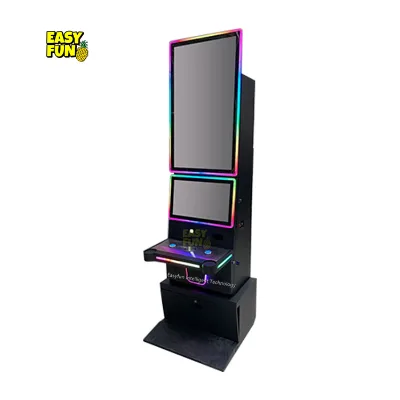
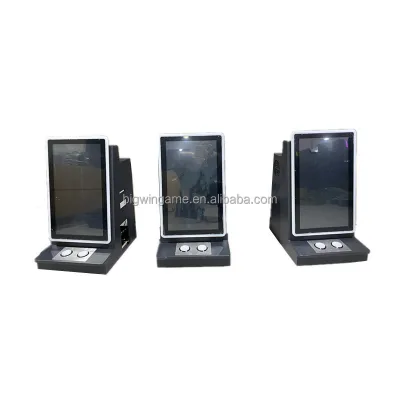
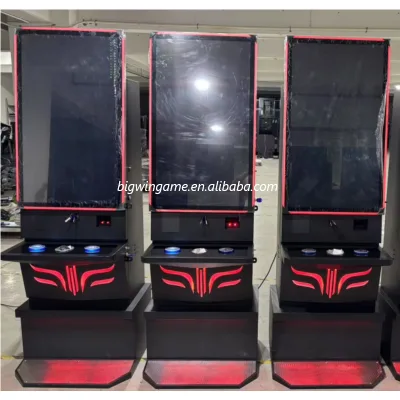
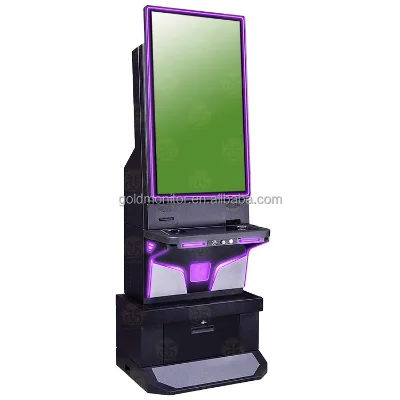
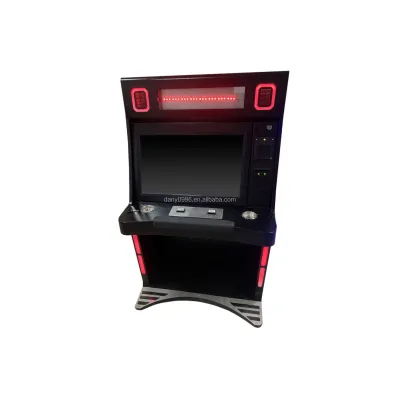



Comprehensive Sourcing Guide
Rechargeable Bartop Game Machine Sourcing Guide
Procuring rechargeable bartop game machines requires a careful balance between portability, power management, and arcade-grade performance. These units are designed for environments where space is limited but high-impact entertainment is essential, such as hotel lobbies, small bars, or mobile gaming events. The "rechargeable" aspect suggests integrated battery systems, which adds complexity to the hardware design and safety requirements compared to standard plug-in cabinets. Buyers must prioritize models that offer reliable power delivery without compromising the responsiveness of controls or the clarity of the display.
The market offers a diverse range of configurations, from standalone fighting game machines to linked coin-operated systems. While many listings emphasize customization and specific screen sizes, the core value lies in the machine's ability to operate independently or integrate into existing payment ecosystems. Sourcing decisions should focus on verifying the actual battery capacity, charging cycles, and the durability of the internal components under continuous use. Understanding these technical nuances ensures that the selected equipment meets both operational demands and long-term reliability standards.
Product Scope and Observed Listing Signals
Current market listings reveal a wide spectrum of product types, including fighting game machines, coin pushers, and standalone arcade units. Observed specifications vary significantly, with screen sizes ranging from 27-inch flat screens to 43-inch curved vertical displays. Some models are explicitly designed for amusement parks or gamerooms, while others target hotel and club environments. The presence of multiple currency detection systems and support for various languages indicates a global market orientation, allowing operators to deploy these machines in diverse international locations without extensive software reconfiguration.
Listing signals also highlight significant variations in physical dimensions and weight, with some units weighing as little as 4.5kg while others are substantially heavier due to metal cabinets and acrylic components. Packaging methods differ, with options including wooden cases, cartons, and plywood cases, which directly impacts shipping costs and handling requirements. Buyers should note that while some products are marketed as "new" and "customized," the actual condition and customization capabilities must be verified through direct supplier communication. The observed price range and minimum order quantities suggest flexibility for both single-unit purchases and bulk procurement.
Technical Specifications to Verify
When evaluating technical specifications, the display technology is a critical factor, with options including VGA, HD-Mi, and DisplayPort outputs. Buyers must verify the resolution and refresh rate of the screens, particularly for fast-paced fighting games where motion clarity is paramount. The control interface is another key area, with some machines offering button configurations ranging from two to ten buttons, while others incorporate touch-sensitive surfaces. It is essential to confirm the latency of these inputs to ensure a responsive gaming experience that meets professional standards.
Power management systems require careful scrutiny, especially for rechargeable models. Buyers should inquire about battery type, capacity, and expected lifespan, as well as the charging time required for full operation. The productive technology used in manufacturing, such as injection molding for plastic components, affects the durability and aesthetic finish of the cabinet. Additionally, the version of the software, whether standalone or linked, determines the machine's connectivity and potential for multiplayer interactions or networked tournaments.
Compliance and Safety Documentation
Compliance with international safety and environmental standards is non-negotiable for arcade equipment. Certifications such as CE, RoHS, FCC, and CCC indicate adherence to specific regulatory frameworks in different regions. Buyers must request valid certificates for each model, ensuring they cover both the electrical components and the materials used in construction. The presence of these certifications reduces the risk of customs delays and ensures that the machines meet local safety regulations regarding electromagnetic interference and hazardous substances.
Documentation should also include detailed user manuals and maintenance guides, which are crucial for long-term operation. Buyers should verify that the supplier provides clear instructions for battery replacement and general upkeep. In some cases, additional certifications may be required depending on the local jurisdiction, such as specific electrical safety standards for commercial gaming devices. Ensuring that all documentation is up-to-date and accurately reflects the product configuration is essential for legal compliance and operational safety.
Cost Drivers and Commercial Terms
Several factors influence the total cost of ownership for rechargeable bartop game machines. The choice of materials, such as metal cabinets versus plastic, significantly impacts the base price. Customization options, including logo printing, software branding, and hardware modifications, add to the initial investment. Buyers should also consider the cost of packaging, as wooden or plywood cases are more expensive than standard cartons but offer better protection during transit.
Commercial terms, including minimum order quantities and lead times, vary among suppliers. Some suppliers offer flexible MOQs, allowing for smaller initial orders to test the market, while others require larger commitments for better pricing. Lead times can range from a few days to several weeks, depending on the complexity of the order and the supplier's production schedule. Buyers should negotiate clear terms regarding payment methods, warranty coverage, and after-sales support to mitigate financial risks and ensure a smooth procurement process.
Supplier Qualification and Quality Control
Supplier qualification is a critical step in ensuring the reliability of the sourced equipment. Buyers should assess the supplier's manufacturing capabilities, including their use of advanced technologies like injection molding and their quality control processes. Verifying the supplier's track record in producing similar arcade machines can provide insights into their consistency and attention to detail. It is also important to check for any past issues related to product defects or customer complaints.
Quality control measures should be clearly defined and agreed upon before placing an order. This includes pre-shipment inspections to verify that the machines meet the specified technical and aesthetic standards. Buyers should request sample units for testing, particularly to evaluate the battery performance and control responsiveness. Establishing a clear protocol for handling defects or non-conforming products is essential for maintaining operational continuity and protecting the buyer's investment.
Long-Term Procurement Checks
Long-term success depends on the supplier's ability to provide consistent support and spare parts. Buyers should inquire about the availability of replacement components, such as screens, buttons, and batteries, to minimize downtime. A robust warranty policy is essential, covering both hardware defects and software issues. Suppliers who offer regular software updates and technical support can help keep the machines competitive and functional over time.
Monitoring the performance of the machines in the field is also crucial for identifying any recurring issues. Buyers should establish a feedback loop with the supplier to report problems and suggest improvements. Regular reviews of the procurement process can help identify areas for optimization, such as negotiating better terms or exploring alternative suppliers. By maintaining a proactive approach to supplier management, buyers can ensure that their investment in rechargeable bartop game machines continues to deliver value and entertainment for years to come.
FAQs
What certifications do these machines have?
These machines hold CE, RoHS, ISO, FCC, and CCC certifications. This ensures compliance with international safety and environmental standards for amusement parks and commercial venues. Buyers can verify these documents before placing orders to meet local regulatory requirements.
Can I customize the game machine specifications?
Yes, customization is available for these fighting game machines and coin pushers. Buyers can request specific sizes, screen types, or control layouts. The factory supports custom orders to match unique venue needs while maintaining the new condition and quality standards.
What is the lead time for production?
The standard lead time for production is ten days. This duration applies to manufacturing and initial packaging before shipment. Buyers should confirm exact timelines based on order volume and specific customization requests to ensure timely delivery to their location.
Which locations supply these game machines?
These machines originate from Guangzhou, China. Suppliers in this region specialize in injection molding and metal cabinet construction. Buyers can source directly from these factories to access competitive pricing and verified manufacturing capabilities for their amusement or hotel projects.
How many players can the machine support?
Player capacity varies by model, supporting one to fifty users. Some units are designed for single-player arcade experiences while others accommodate larger groups. This flexibility allows venues to select the appropriate configuration for their specific space and expected foot traffic volume.
What is the minimum order quantity required?
The minimum order quantity ranges from one to ten units. This low threshold allows small businesses to test the market without large initial investments. Buyers can negotiate specific MOQs based on their budget and the customization level required for their project.
What materials are used in construction?
Machines are constructed using metal cabinets and acrylic components. This durable material combination ensures longevity in high-traffic environments like clubs and hotels. The sturdy build supports heavy usage while maintaining the sleek appearance required for modern entertainment venues.